0 Items
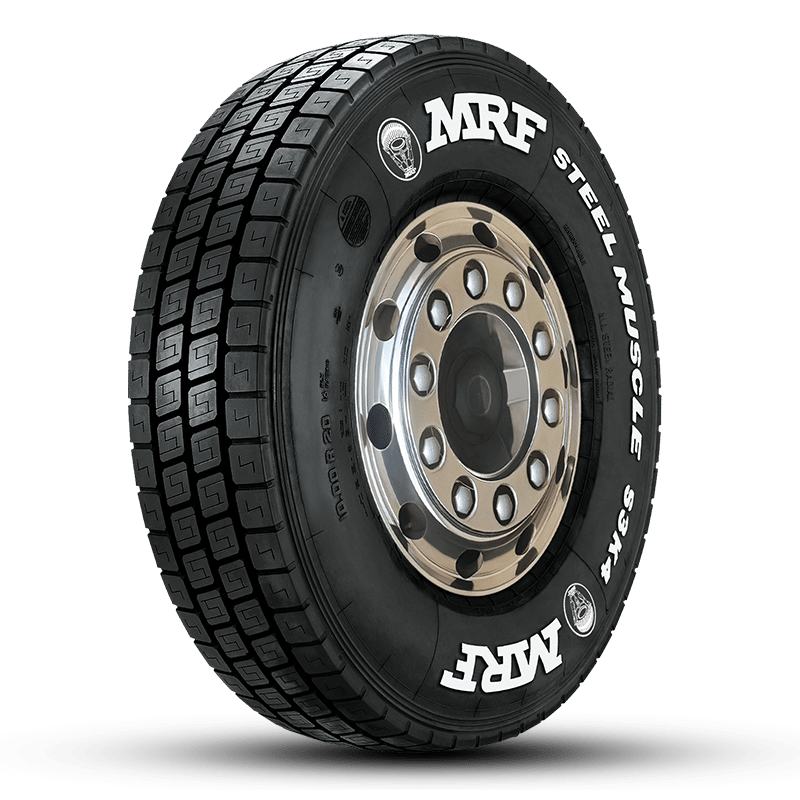
10.00R20 S3H8 R16 TTF
  • Application: Heavy-duty commercial vehicles, suitable for both on-road and off-road applications (mixed use).
  • Construction: Radial construction, indicated by the "R".
  • Type: Tube Type Tire (TTF), meaning it requires an inner tube and a flap. 

Breakdown of Markings

10.00R20

  • 10.00: Nominal section width of the tire in inches (approximately 10 inches or 254 mm).
  • R: Denotes Radial construction. This is the common modern construction method, offering better performance and durability compared to bias-ply tires.
  • 20: Nominal rim diameter in inches. The tire is designed to be mounted on a 20-inch wheel/rim.
  • Aspect Ratio: This specific size (numeric designation) typically implies a 100% aspect ratio, where the sidewall height is the same as the section width. 

S3H8

  • S3H8: This portion likely refers to a specific tread pattern, model name, or manufacturer-specific code. It's not a universal standard tire code and would need to be cross-referenced with the tire manufacturer's specific product catalog for detailed information on tread type (e.g., highway, all-position, drive axle), compound, and design features. 

R16

  • R16: This likely indicates a 16 Ply Rating (PR), corresponding to a specific load range, often Load Range H. This signifies the tire's strength and maximum load capacity. 

TTF

  • TTF: Stands for Tube Type Flap. This confirms that the tire assembly requires:
    • Tyre (the outer rubber)
    • Tube (inner tube to hold the air pressure)
    • Flap (a protective band placed between the tube and the rim to prevent damage). 

Typical Performance Metrics

Specific load index and speed symbols often appear on the sidewall (e.g., 146/143K). While not explicitly stated for S3H8 R16, for a typical 10R20 16-ply tire, these metrics generally are: 

  • Load Index: Commonly around 146/143 (Single wheel/Dual wheel applications).
  • Max Load Capacity: Approximately 3,000 to 3,350 kg per tire in single fitment.
  • Speed Symbol: Commonly a K rating, indicating a maximum speed of 110 km/h (68 mph).
  • Max Inflation Pressure: Often up to 120 psi (830 kPa), depending on the manufacturer's specifications. 


  • Vehicle Type: Designed for commercial trucks, buses, tippers, and trailers, particularly those in heavy-duty applications such as construction or freight transport.
  • Operating Conditions: Suitable for mixed usage, performing well in both paved on-road environments and unpaved off-road or muddy conditions due to durable construction and likely robust tread.
  • Purpose: Engineered for superior durability, high load capacity, and good traction. 

Construction and Design

  • Construction Type: Radial construction ("R"), which provides a more comfortable ride, better fuel efficiency, and longer tread life compared to older bias-ply tires.
  • Assembly Type: Tube Type Flap ("TTF"), meaning it is designed for a wheel assembly that requires an inner tube to maintain air pressure and a protective flap to prevent the tube from rubbing against the rim.
  • Ply Rating: The "R16" indicates a 16 Ply Rating (PR). This is a measure of the tire's strength and durability, designed to handle significant weight and air pressure. 

Dimensions

  • Section Width: The tire is approximately 10.00 inches (254 mm) wide.
  • Rim Diameter: It is designed to fit a wheel with a 20-inch diameter.
  • Aspect Ratio: As is standard for this numeric sizing convention, the aspect ratio (sidewall height as a percentage of the width) is implicitly 100%. 

Load and Performance (Typical for R16/16PR)

  • Load Range: Corresponds to a high load range (often Load Range H), suitable for very heavy cargo.
  • Maximum Load: Typically capable of carrying between 3,000 to 3,350 kg (around 6,600 to 7,400 lbs) per tire in a single wheel fitment.
  • Tread Pattern Code: "S3H8" is a manufacturer-specific code identifying the tread pattern and possibly the rubber compound. This pattern is likely optimized for specific conditions like heavy drive axle applications or all-position use, emphasizing strong grip and resistance to wear. 
REVIEWS

There are no reviews yet.